
Rental property
Sell your rental, tenant-in-place or vacant.
Remote owner? Tenant in place? Start with the lease, occupancy, lawful access, condition, and title. Buyer interest and closing timing depend on the full review.
Being a landlord was supposed to be passive income. It turned into 11 p.m. phone calls, repairs you're paying for twice, and a second tax return every spring. You want out.
You may be able to start without evicting, repairing, or flying in. Do not disturb a tenant or enter the property without lawful authority. The lease, occupancy, access, condition, title, local rules, and buyer requirements determine whether an offer is made and what it says.
What we do
Tenant-in-place or vacant — start with the documents
A sale may be structured with an existing tenant and lease in place. The lease, local tenant protections, occupancy facts, and written purchase terms determine what carries through closing.
Do not remove a tenant solely for a prospective buyer. Share the lease, payment history, deposits, notices, and any court documents so the buyer, attorneys, and title provider can review the actual situation.
Remote owners can start with documents
An out-of-state owner can start by sharing the lease, occupancy records, and a lawful access plan. If a buyer decides to offer, the terms should be in writing. Counsel and the title provider determine which required documents can be signed remotely.
Two-flats, three-flats, multi-unit
Two-flats, three-flats, and four-flats can be reviewed, but the ownership form, legal description, governing documents, and required approvals matter. Counsel and the title provider should review whether a unit, parcel, or ownership interest can be conveyed separately.
Local tenant rules and security-deposit accounting may affect the contract and closing. Applicable law, the lease, the written agreement, and final closing documents govern what transfers, is credited, or is returned; counsel advises the parties.
Common questions
What sellers ask us about sell a rental property.
Do I have to evict the tenant first?
Not necessarily. A property can sometimes be sold with the tenant and lease in place. Do not start an eviction solely for a prospective buyer; let your attorney review the lease, notices, and local rules first.
Can you buy with the tenant in place?
Potentially. The buyer needs to review the lease, rent history, deposits, notices, occupancy, access, and local rules before deciding whether to offer. Do not assume a sale ends tenant rights; counsel should review the lease and applicable law.
I'm out of state. How do I do this remotely?
Start with the lease, occupancy records, and a lawful local access plan. If a buyer makes an offer, it should be sent in writing. Applicable law, the documents, and the title provider's approved procedures determine whether remote notarization or another signing method is available.
The tenant is behind on rent. Does that change the offer?
It can. Current occupancy, payment history, lease terms, notices, and any pending case can affect value and timing. Share the records so the offer reflects the real situation.
The unit is trashed. Can you still buy?
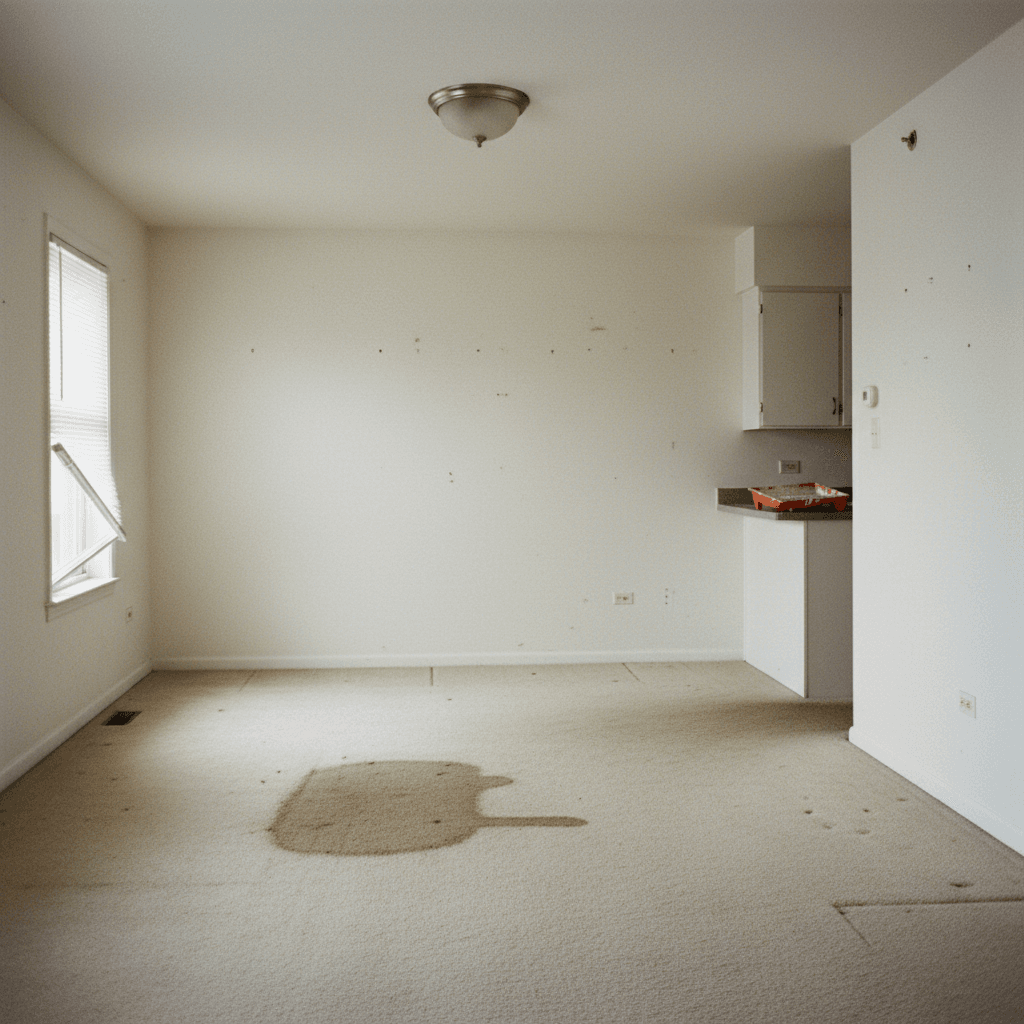
Damage does not automatically rule out an as-is review. Tenant, pet, and smoke damage can affect safe access, project scope, price, insurance, and whether a buyer proceeds.
Do I have to provide the lease or rent roll?
A buyer and attorney need the lease, current rent, deposits, payment history, notices, and known occupancy facts to evaluate a tenant-in-place sale. A claimed vacancy still needs lawful access and occupancy verification; rough details alone may not be enough.
What about security deposits at closing?
The lease and applicable law control how deposits, interest, notices, and credits are handled. The attorneys and closing agent should put the exact accounting in writing.
Can you buy just one unit of a multi-family?
It depends on the legal description and deed. A separately deeded condominium unit may be sold on its own; a single legal parcel generally cannot be split at closing without prior legal work.
What if the tenant refuses to leave after the sale?
The lease, purchase contract, possession terms, and any court process control that outcome. No buyer should promise an eviction result. Your attorney should approve how possession and responsibility are written before you sign.
Related situations
- Inherited houseStart the sale conversation before probate is finished. No cleanout before the initial review.
- ForeclosureSee whether a cash closing before the judicial sale is still feasible. Mortgage payoff is reviewed through title.
- Sell as-isStart with the house in its current condition. No repairs or listing preparation before the initial review.
- Hoarder houseSevere clutter gets an individual review. No cleanout solely for the initial review. No lecture.
- Divorce saleIf a direct buyer offers, review one written proposal. No listing agent is needed for that review. The legal and title timeline still controls.
No pressure. Just a clear next step.
Ready to talk about sell a rental property?
Start with the property address. We will confirm the service area and explain what happens next.
Prefer to talk? (312) 906-7299. As-Is Made Easy serves Elgin and the surrounding Northern Illinois suburbs.